

“I share my story so others know they are not alone.”
-Terah Williams
CLICK BELOW TO WATCH TRAILER
SEIZE THE DAY
FUNDRAISER
After more than five years of filming, SEIZE THE DAY is entering its final phase of production and post-production. We are continuing to capture key moments in Terah Williams’ journey while preparing to shape the film through editing, color, sound, and music.
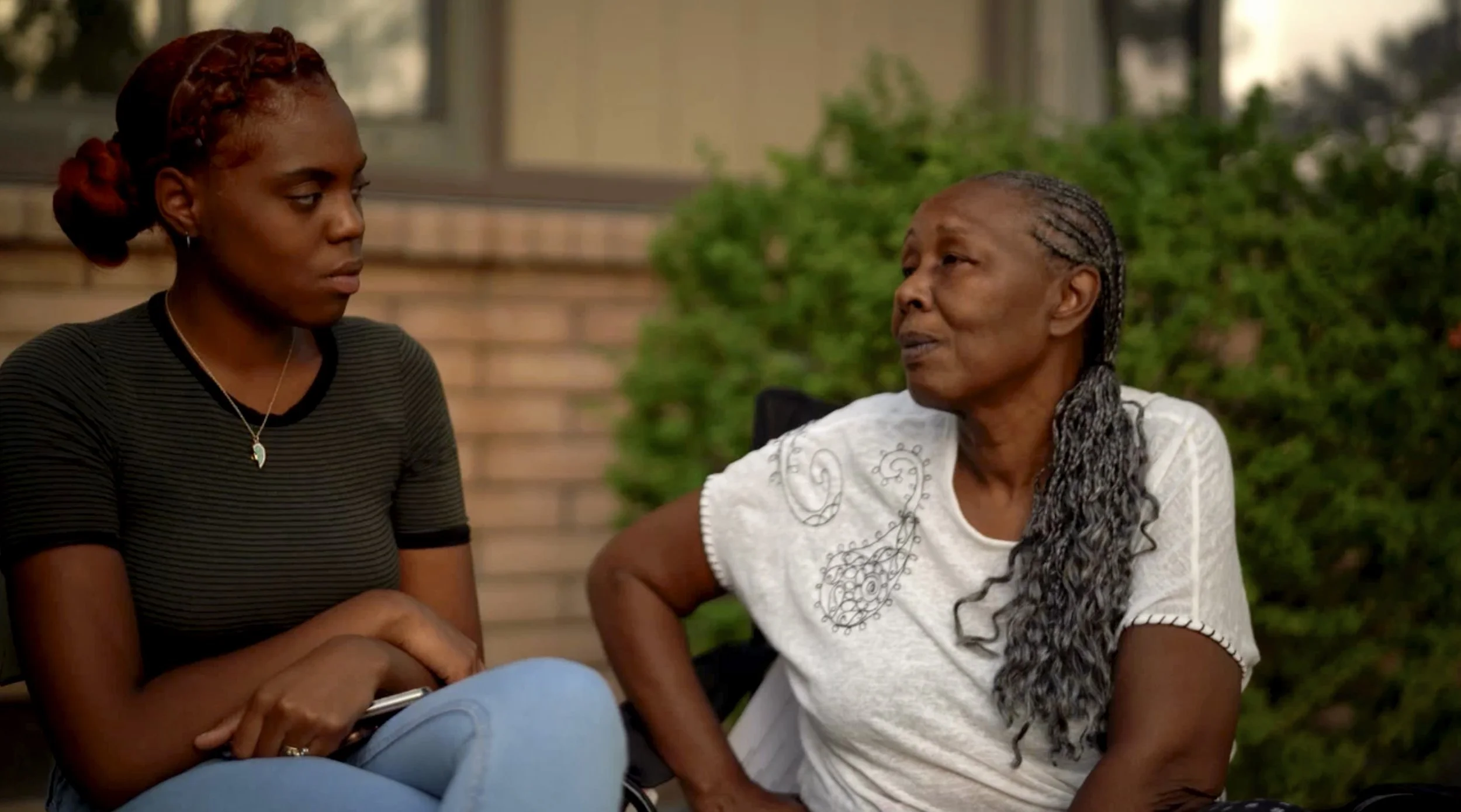
This urgent documentary follows Terah, now 28, as she fights for the chance to live a stable life while navigating epilepsy and systemic racism within healthcare and social systems.
Black Americans are disproportionately affected by epilepsy, yet stories like Terah’s are rarely seen. This film brings visibility to the human cost of inequity—and the resilience required to endure it.
Your support will directly help us complete remaining filming and carry SEIZE THE DAY through post-production, ensuring this story reaches audiences where it can create real impact.
SEIZE THE DAY is fiscally sponsored by Thriving Roots Initiative, making all donations tax-deductible. Our previous film, Being Michelle, received multiple awards for its focus on disability justice—and we are committed to continuing that impact.
Join us in bringing this story to completion.
Please Give! Thank you.
All donations are tax deductible through the 501(c)3 nonprofit Thriving Roots Initiative.

LOGLINE
SEIZE THE DAY follows the journey of Terah Williams, a 23- year old woman fighting for a normal life, despite a medical condition causing ongoing seizures, and the systemic racism she faces within broken social systems threatening to tear her life apart.

SYNOPSIS
What happens when broken social systems tear your life apart? SEIZE THE DAY explores the journey of Terah, a young woman struggling like many marginalized people in a society set on knocking you down. Faced with a severe form of epilepsy that restricts her physically and socially, Terah has had more than her fair share of setbacks. A failed health system and unjust judicial policies have Terah navigating a complex web of challenges without a safety net. Will new technology and a prominent medical advisor provide hope for better health, or will she be misled and let down, which is all too common for poor, uninsured people?
SEIZE THE DAY encapsulates the journey of three generations of Black women, with Terah as the nucleus surrounded by her mother and grandmother, as they hold on to personal triumphs, and fight to maintain their mutual support. Despite a multitude of setbacks, this is ultimately a story of perseverance. We experience the unjust aspects of the US healthcare and insurance systems faced by the uninsured, the inability to provide nutritious food for everyone, and the role of intergenerational trauma and racism within a culture that denies their influence on physical and mental health.

African-Americans account for nearly one-third of all who have been diagnosed as having epilepsy.
-Brain Health Center for African Americans

CONNECTION TO THE STORY
Director/Producer Atin Mehra experienced seizures in his childhood, most likely onset by trauma and malnutrition. Atin was able to access support from Ayurvedic, homeopathic and allopathic doctors who helped address underlying issues and the seizures stopped. In Atin’s birth country of India, access to qualified doctors from varying backgrounds are generally accessible to the larger population.
Producer Denise Hamilton has direct experience with the discrimination Black Americans face in the U.S. healthcare system. As caregiver to her elderly mother, she has seen examples of healthcare options not being offered to BIPOC, as well as uncaring medical staff.
The producing team has previous experience with the award-winning BEING MICHELLE, a feature-length social impact documentary that also addresses the struggle Disabled individuals face accessing basic human rights, specifically those living with Intellectual and Developmental Disabilities.
Racism is absolutely a health crisis.
-Dr. April Thames
“All children should have the basic nutrition they need to learn and grow and to pursue their dreams.”

Atin Mehra
DIRECTOR/PRODUCER/DP

Mae Thornton Mehra
PRODUCER

Denise Hamilton
PRODUCER

Rajiv Sanghvi
EXECUTIVE PRODUCER

Tanya Ward
SOCIAL IMPACT PRODUCER

Lisa Gonzales
ADVISOR

Isabella Vargas
ASSOCIATE PRODUCER

Jacquill Moss
ASSOCIATE PRODUCER

Kimberley Browning
CONSULTING PRODUCER

Stephanie Filo
EDITOR

Martin Walter
EDITOR

Leon Lacey
COMPOSER

Carl Braz
COLORIST

Alyson Larson
CAMERA/ASST. EDITOR

Jason Smith
CAMERA

Mike Abela
CAMERA



Thriving Roots Initiative is a non-profit media company working in collaboration with marginalized populations to produce dynamic films and compelling content that expose injustice. Founded in 2019 by Mae Thornton Mehra & Atin Mehra, Thriving Roots Initiative believes in equality for children and all human beings. We harness the power of storytelling to serve as a catalyst to protect, strengthen, and sustain marginalized populations.